James Brady · Lehi, Utah
reality is I can't code and I never will be able to.
typed to one of his agents, 2 Aug 2026
So he builds with people and machines: a small team, and a fleet of AI agents that write the code.
What it did
Water filtration · live
207 past customers came back from January to September 2026, against about 145 in a typical year. Reminder texts he built from the company’s own invoices.
Trade businesses · shipped
3 firms given hands-on AI set-ups in August and September 2026: a construction company, a glass company and a real-estate group.
A Utah university · live
Since 2024 he has taught AI there, and he sits on its software-engineering advisory board.
The fleet · live
102 AI agents running at once, at the peak of the week of 22 to 27 August 2026. They merged 147 changes that week.
What you’re looking at
When lightning hits sand, the strike is gone in a millisecond. What it leaves behind is glass, fused along the path it took. That glass is called a fulgurite.
The object beside this text is one, grown from what he built: his public code, and the work that has no public code, for clients, for his companies and for the people he teaches. The clearest, brightest glass is the work that is live today or shipped. Nobody drew it; every fork comes from the record.
Depth · 2023 to 2024
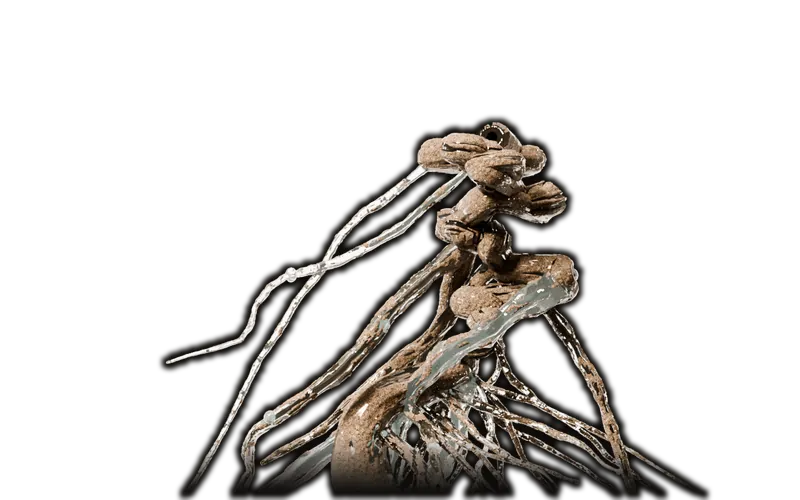
Learning AI, and teaching it.
In 2023 he started giving it away: free guides on LinkedIn, among them a library of 50 problem-solving techniques with prompts, and recipes that pair GPT with Zapier for small businesses and tell them to keep a person checking. From October 2023 he was CTO of Argux Labs, a three-partner AI build and consulting firm that made a sales-training platform for a roofing company and was mentioned in Zapier’s launch press release.
In 2024 he ran his own interview podcast: eleven recorded conversations and two solo teaching episodes. He asked each guest’s consent, offered them a review before publishing, and introduced them to people who could help them. In November 2024 he began teaching AI at a Utah university.
I have been teaching and tutoring for a lot of years because it's just fun to see the light turn on for people.
Also from those years: his first GPT app and his first agent, AI consulting and team training, images for a published poetry book and an AI learning demo for homeschool families.
Depth · 2025
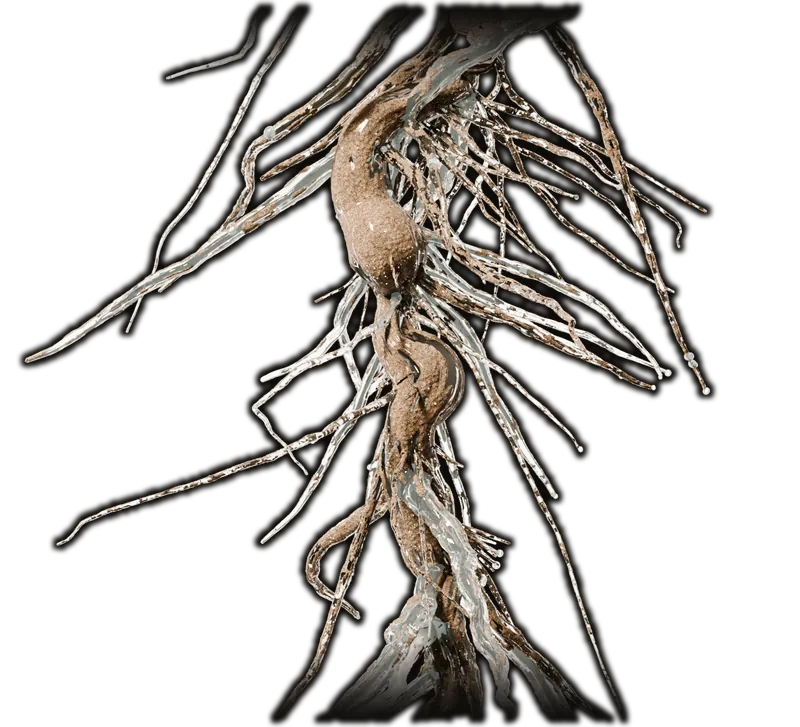
Building companies with AI.
In April 2025 he co-founded Utlyze, an AI studio that builds custom AI systems for businesses. His public record bursts: 92 repositories in five months. Among them, the connectors that let an AI assistant use other apps, his code with the most outside interest that year. On 5 June, 9 “of one” names in a single day began the Of One network, now 20 live sites on one template.
In July he and his team built an in-office podcast studio by hand. In September he co-founded New Reward, an agency that gets businesses found on Google and in AI answers.
I can't do this by myself anymore. It's too much and too fast.
On 13 September, 22 landing pages in one day, all left within a fortnight. Ideas, not products. They’re the short bare twigs near the top.
Depth · October 2025 to March 2026
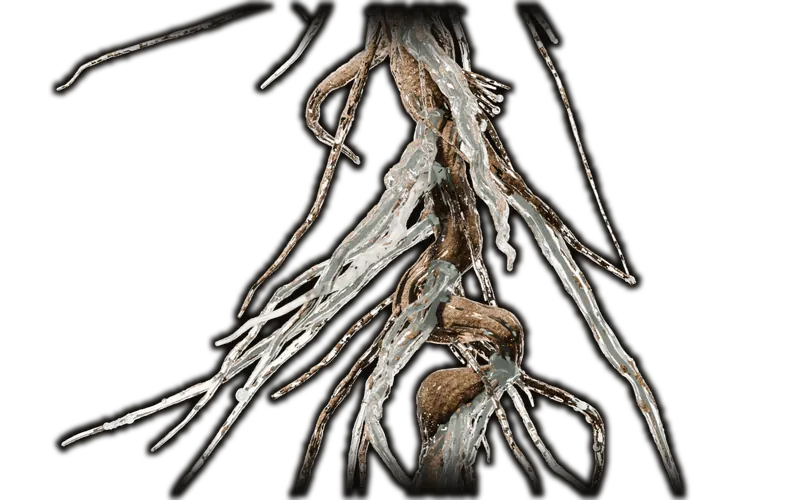
The first clients.
In October his agent fleet began: Macs running Claude, Codex and Grok agents under one lead agent that writes the briefs. The same month he began a reminder-texting system for a water-filtration company, driven by its own invoices. Utlyze’s published case: 207 past customers came back from January to September 2026, against about 145 in a typical year. And 10.6% of the customers it texted bought within 90 days, against 2.3%.
In November, New Reward’s platform began, built with his teammates; it is private, so its branch is frosted. In January 2026 came a lead site for a concrete contractor that now brings in calls on the contractor’s own domain; in February, work for a roofing company, one of New Reward’s early clients; in March, search and AI-visibility work for a detox and recovery center, with measured gains in its Google positions, its clicks and its reviews.
He taught as he went: tutorials on YouTube from October, and free answers in public on X from December. In January he wrote the first of his rules for trusting work he can’t read: if you cannot test it, it does not exist. Three teaching volumes went up on this site in February.
confidence in the beginning of a thing is a really bad sign at times
From January he ran a string of multi-agent orchestrators, some of them other people’s, each for one to three months, then dropped them. They taught him gates, lane ownership and simplicity.
Depth · April to July 2026

The deep systems.
More clients. A new website for an HVAC company brought it leads within days. A dog-breeding and kennel business got a new site, visibility reports, a records portal and AI training for its team. Then a lead site for equipment finance, a lead funnel for a clean-energy tax credit, a site for a dental-marketing agency, and compliance work for an IV-therapy clinic.
OfOne, his method for hard decisions, on 13 May. Plimsoll on 10 June, now the thickest branch on the specimen: 266 of its beads. In June, New Reward’s free AI-visibility scan and its 12-axis visibility method; in July, the shared memory that became BORG.
He also forked Dan McInerney’s Architect Loop and hardened it. The design is Dan’s; the credit says so, and one of James’s fixes was merged back into Dan’s project.
Plimsoll’s first version captured almost nothing, so it was rebuilt; so far its only real workspace is his own. Two client engagements ended: the roofing company’s in June, and the HVAC company’s in July, when he handed over its code, its hosting and a migration guide.
Depth · August 2026
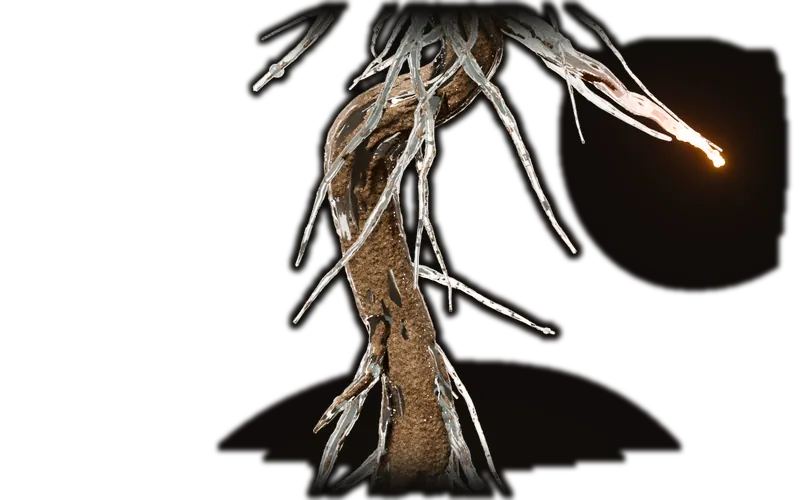
The fleet goes public.
In the week of 22 to 27 August his agents merged 147 changes across six repositories, with 102 agents running at the peak. BORG, the shared memory his agents use, went public on 29 August, free to install. From 25 August his notes from the build were published, bylined to him and to the AI models that helped write them.
From 21 August to 2 September, hands-on AI set-ups for a construction company, a glass company and a real-estate group, each aimed at the firm’s real bottleneck.
On one of those days, 1,705 agent runs produced a single merge. That became the rule: merged on main, or it does not exist.
Depth · September 2026

Clients, a classroom, a case study.
On 2 September Utlyze’s home page became the Advisor, a chat and voice guide that maps where AI would be worth it in a visitor’s business. That week he prepared a local-AI guide for a public university. The kennel business got an AI system installed on its owner’s own Mac.
A law firm got an AI working session and a public guide with homework, and its managing partner agreed to an audit of the firm’s systems. An athletic-products brand signed on, won by working with its own platform instead of replacing it. On 13 September his fix was merged into Dan McInerney’s Architect Loop.
Plimsoll shipped 45 releases in 20 days. EEGT, an open notebook asking whether computer models “hear” the same patterns in brainwaves, went public: 9 releases so far, and every main result marked inconclusive.
On 27 September Utlyze published its first case study with approved figures, the water-filtration system. The same day he commissioned this site.
Ai allows me to spread my wings and move at the pace I enjoy. Lightning.
What went wrong, and what he learned
Not all of it turned to glass.
- Busy is not done. On one August day his fleet ran 1,705 agent runs and merged one change. The rule since: merged on main, or it does not exist.
- Tools tried and dropped. A string of orchestrators, each run for one to three months and then dropped.
- Few outside users yet. Plimsoll’s first version captured almost nothing and was rebuilt, and so far its only real workspace is his own. The Of One network is 20 live sites, and no traffic or lead figure exists for any of them yet.
- Engagements that ended. A roofing company’s in June 2026, and an HVAC company’s in July; the HVAC company left with its code, its hosting and a migration guide.
- Not proven yet. Every main result in his brainwave notebook, EEGT, is marked inconclusive, and the site says so.
No matter what happens, it is always your fault.
just because it was committed doesn't mean it was right.
Yes. I openly admit I was a horrid human to you. I am sincerely sorry
The tip · now

Still hot.
Latest result for a client · 27 Sep 2026 Reminder texts for a water-filtration company. 207 past customers came back from January to September 2026, against about 145 in a typical year.
Merges read from GitHub on 27 Sep 2026; results from this site’s record of what he built. What he’s working on now →
In his words
I'm really a believer in empowerment, and I want to empower people more than anything.
I also like to overdeliver and underpromise because then your clients are super happy.
I want contributors listed, any AI that helped gets credit, and where i helped I get credit. We do this honestly. Always.
Ways in
Anyone can be an Army.
Work with his team
Build with Utlyze, on Consult or Build; get your business found with New Reward; or run background checks with Vuplicity.
Ways to work together →Use what he gave away
BORG, Plimsoll, the OfOne method, the EEGT notebook and his connectors are open source. Install them, fork them, fix them.
Start with BORG →Follow the work
Short notes and free answers on X as it happens, and longer build notes on Utlyze, bylined to him and to the AI models that helped write them.
@of1ai →Write to him
If you’re curious and want to build this way, say so. He reads it.
Contact →